One in five teenagers reports symptoms of anxiety or depression, according to the World Health Organization, while more than half do not engage in any regular physical activity. Yet, some studies indicate that participating in regular sports can reduce stress and improve sleep quality, while also promoting academic success.
On the ground, programs run in cities and neighborhoods tell the same story: fewer school absences, tighter-knit groups, and young people who feel they belong. It’s hard to ignore these results as sedentary behavior continues to rise among 12- to 18-year-olds.
Why Sports Change Everything: Body, Mind, and Self-Confidence
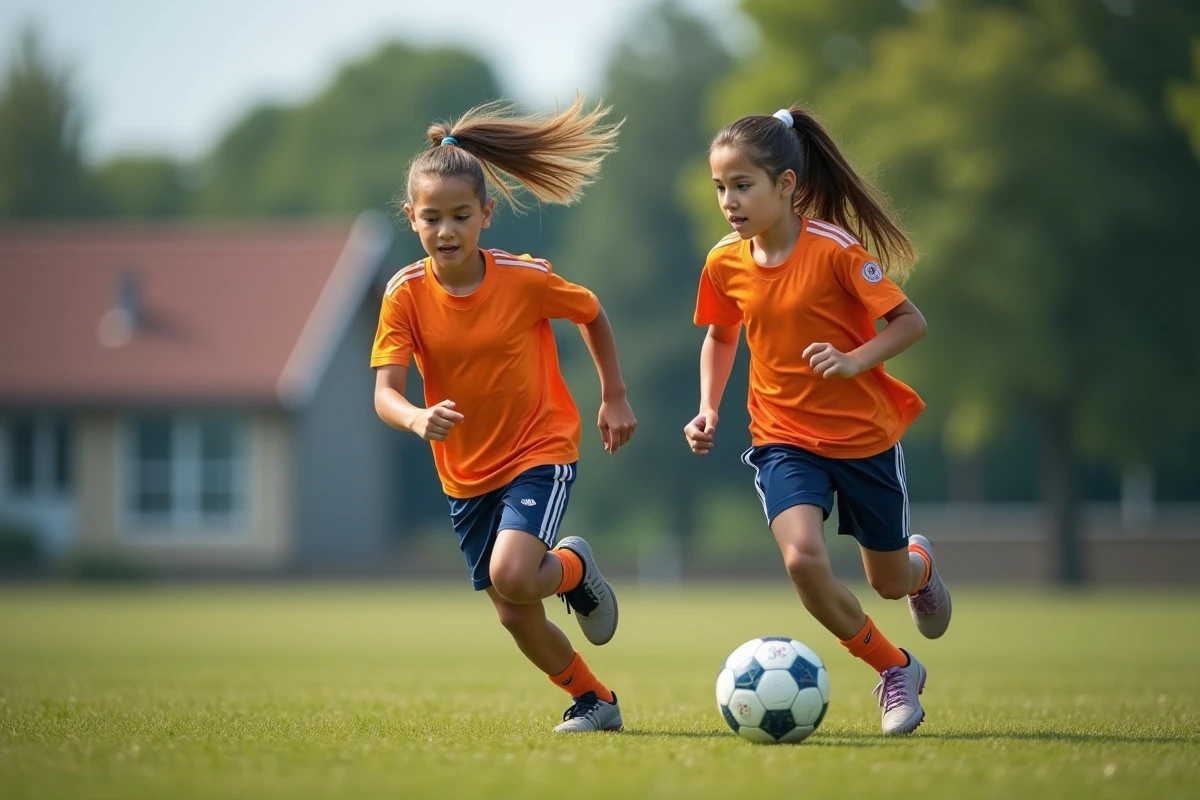
The power of sports is first seen on faces and in experiences. By running, jumping, kicking a ball, or dancing, young people build robust health: harmonious growth, top-notch immune defenses, and lower long-term disease risks. Data from the National Health Security Agency is clear: those who move each week have a significantly lower rate of overweight compared to others.
But that’s not all. Mentally, the benefits are equally visible. Field educators and researchers affirm: self-esteem rises, stress decreases. When a teenager gains confidence and learns to manage their emotions, they open up to others and progress in their studies. Sports impose rules, teach effort, discipline, and respect. It’s a backbone for more stable days, a framework that reassures and stimulates.
Three dimensions stand out:
- Well-being: after exertion, the pleasure is real, and endorphins do their job.
- Body and mind: because physical and mental health advance together; without one, the other does not follow.
- Socialization: the collective aspect teaches group learning, mutual support, and sometimes even the birth of lasting friendships.
The platform sport-academy.fr scrutinizes these advantages and provides tools to guide young people towards regular, constructive, and suitable physical activity. Explore the diversity of sports physical activities and realize how they can be a positive trigger for an entire generation.
Feeling Better Daily: How Physical Activity Boosts Young People’s Morale
Those who engage in sports regularly feel the effects well beyond the field or gym. Physical activity becomes a weapon against anxiety, boredom, and fatigue. Teachers and school psychologists observe: young people who move gain balance. Their sleep improves, their energy increases, and often, their appetite returns. Tensions fade, and morale rises.
This sense of well-being is no coincidence: the body releases endorphins, and stress regulates almost naturally. In the face of adolescent challenges, sports offer a neutral ground, a space for experimentation, a place to learn to lose, to win, to try again. Leaving screens to reconnect with the collective also means reconnecting with oneself. The national education system embraces this, convinced of the positive impact on the school climate and class dynamics.
Here are several concrete effects of physical activity on young people’s lives:
- Better management of nutrition and prevention of risky behaviors.
- Strengthening of social bonds, sense of belonging to a group.
- Stimulation of motivation and desire to surpass oneself.
Starting early gives you every chance to preserve mental health and avoid isolation. Parents play a central role: supporting, encouraging, and accompanying the discovery of new sports opens the door to regained confidence and habits that last over time.
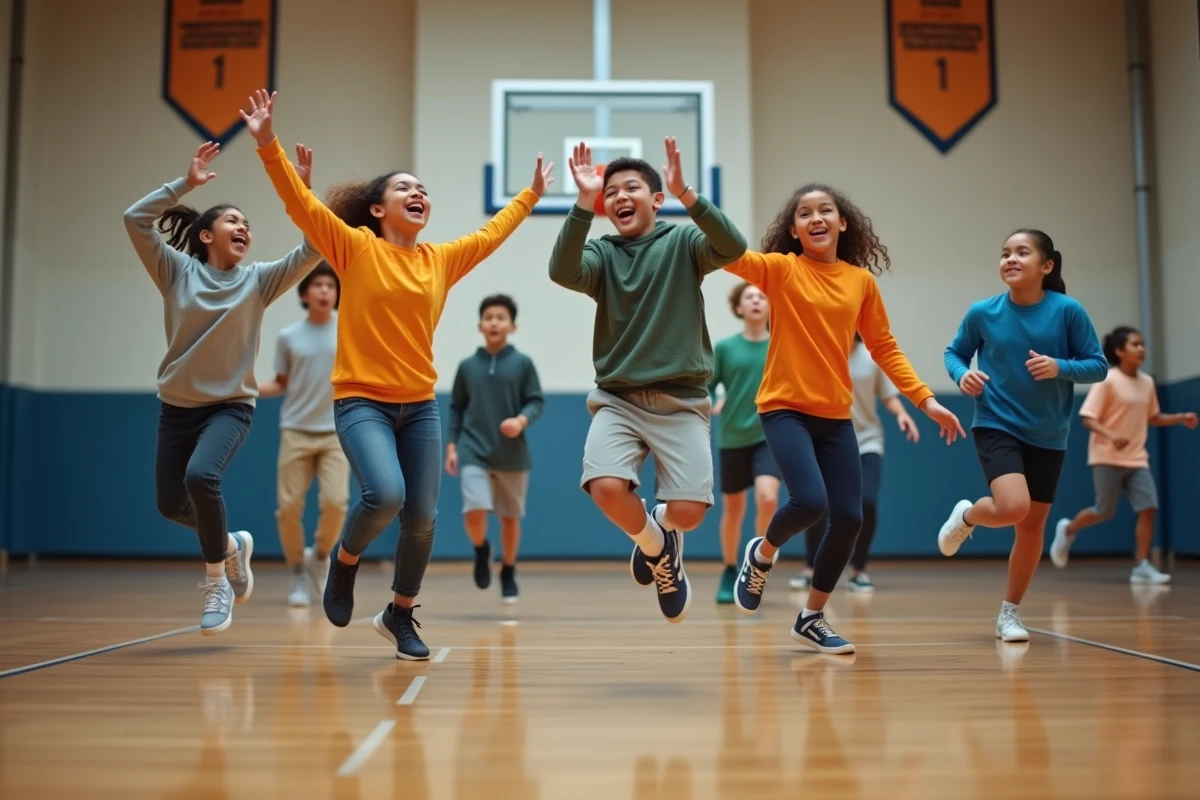
Want to Move? Ideas and Tips for Joining a Team or Club Near You
Joining a team, trying out a club, discovering a new activity: the first step is often the most crucial. Sports clubs and associations are multiplying, accessible in most neighborhoods. Coaches and trainers welcome young people from a very young age, sometimes as early as six, and introduce them to a variety of practices, from cycling to dance to gymnastics or basketball.
Each season, the choices diversify. Football, running, judo: there’s something for everyone and every level. Municipalities keep an updated list of local facilities: a visit to the town hall or the city’s website allows for quick identification of clubs, their schedules, and trial or registration conditions. At the start of the school year, schools also display various sports sections, often in partnership with associations or during events like the Olympic Games. In some middle and high schools, specific time slots are offered to encourage sports practice.
In France as in Canada, the associative fabric is strong. Federations ensure quality supervision and the safety of young participants. Everyone progresses at their own pace, whether their goal is relaxation or competition. Take advantage of trial sessions: the revelation may come from a sport you never imagined practicing. The team spirit, friendliness, and energy of the group make you want to come back, again and again.
To choose the right club or activity, a few tips can help avoid mistakes:
- Attend association forums at the start of the school year to spot local offerings.
- Ask physical education teachers for advice, as they are often connected with local clubs.
- Try several disciplines before making a final choice.
The doors are open. Now it’s just a matter of stepping through: sometimes, it only takes one trial for passion to take root and transform daily life.