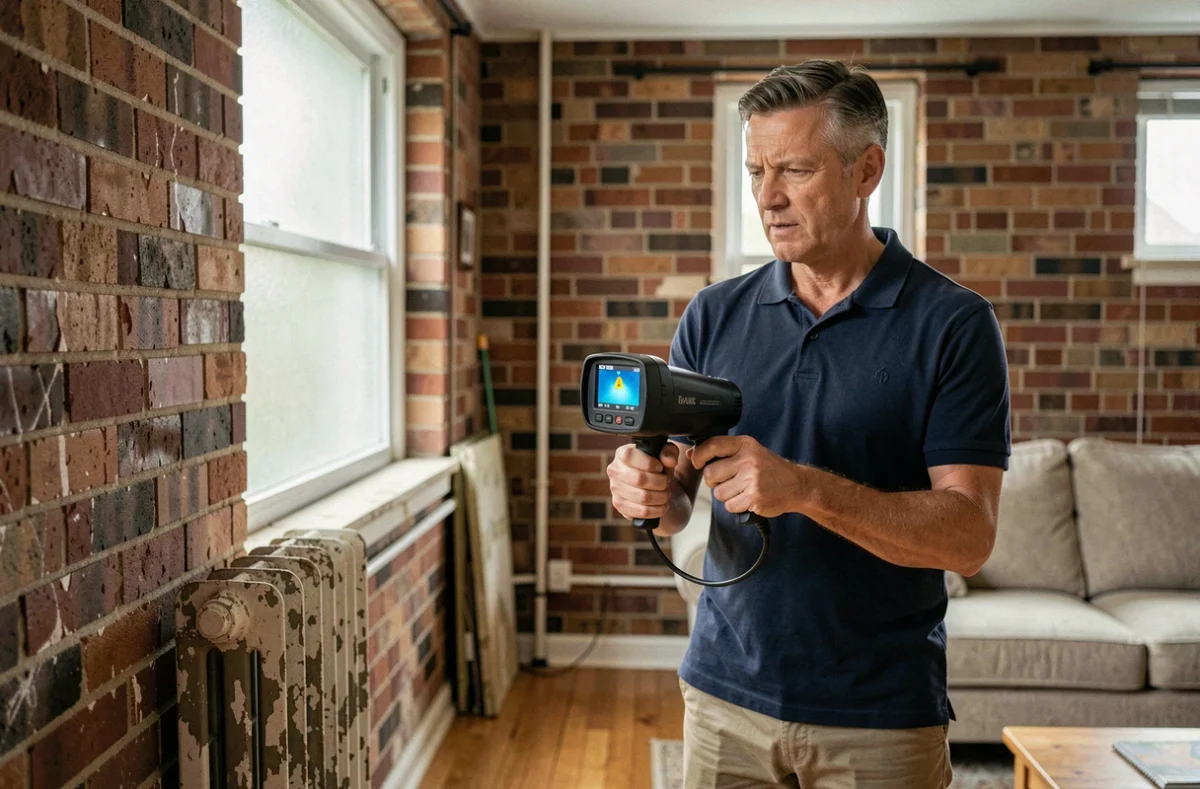
The energy performance diagnosis has become a central document in any real estate transaction in France. Its calculation method, classification thresholds, and the resulting obligations are regularly evolving, making the reading of an energy label less intuitive than it seems. For a property owner, understanding what this diagnosis actually measures, and especially what it does not measure, conditions sometimes financially heavy renovation decisions.
Electricity conversion coefficient and reclassification without work
A change announced for 2026 modifies the coefficient applied to electricity in the calculation of the energy performance diagnosis (DPE). Homes heated by electricity could see their label change without any renovation work being carried out. Previous DPEs would remain valid, with the possibility of obtaining an updated certificate without a new visit from the diagnostician.
This particularity deserves attention. A property owner considering insulation work or a change of heating system should first check if their home is affected by this reclassification. Engaging in costly renovation based solely on a class D or E, while the label could improve through simple recalculation, represents a concrete financial risk.
To delve into the details of this update and the associated procedures, the complete guide on Protect Habitation outlines the scenarios based on the type of heating and the date of the initial diagnosis.
Reliability of the DPE: check the diagnosis as much as the diagnostician
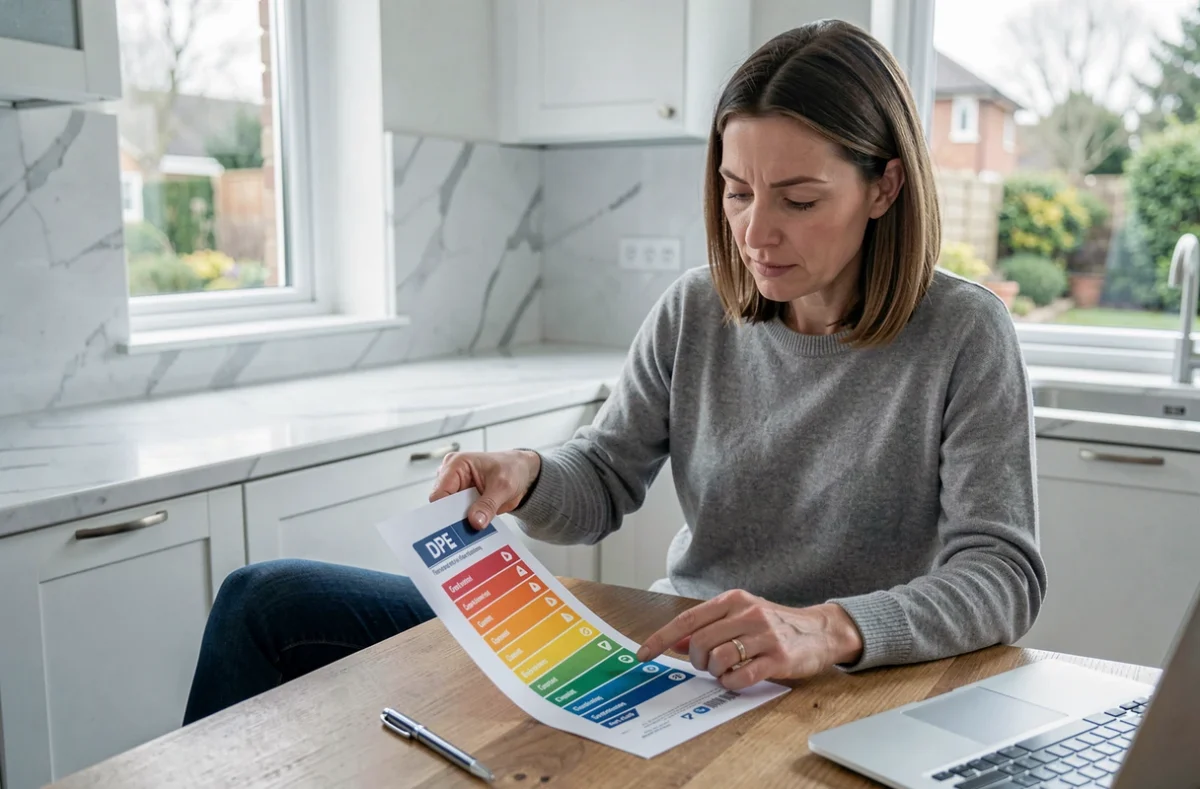
The result of a DPE directly depends on the quality of the data entered by the professional: living area, type of insulation, heating equipment, ventilation. A data entry error on just one parameter can shift a home from one class to another.
Controls of professionals are strengthening. The certification of the diagnostician and the registration of the report with ADEME are two points of verification accessible to any property owner. Each DPE carries an ADEME number and a QR code that allows consultation of the report in the national database.
Compare the report to the reality of the home
A practical check involves rereading the diagnosis to ensure that the data corresponds to what actually exists in the home. Is the declared area consistent with the cadastral plans or existing measurements? Does the type of insulation mentioned correspond to the work done?
- Check that the living area listed in the DPE matches that on the property deed or a recent measurement
- Verify that the heating system described (type, power, energy) corresponds to the installation in place
- Ensure that the insulation work carried out (attics, walls, floors) is properly accounted for, with supporting invoices
- Scan the DPE QR code to verify its registration in the ADEME database
An unusually favorable result does not, by itself, constitute proof of fraud. Actual work or data entry peculiarities can explain an unusual score. However, a discrepancy between the report and the reality of the home justifies a dispute.
Energy audit and DPE: two distinct tools for different decisions
Confusion between energy audit and DPE remains common. The DPE assigns a class from A to G based on a standardized calculation. The energy audit, on the other hand, proposes a prioritized work program with quantified renovation scenarios. The DPE classifies, the energy audit directs the work.
The audit is mandatory before selling a home classified F or G, and this obligation will gradually extend to class E. For a property owner wishing to renovate, the audit serves as a more refined decision-making tool than the DPE, as it identifies priority areas (roof insulation, heating replacement, treatment of thermal bridges) and estimates the expected class gains for each scenario.
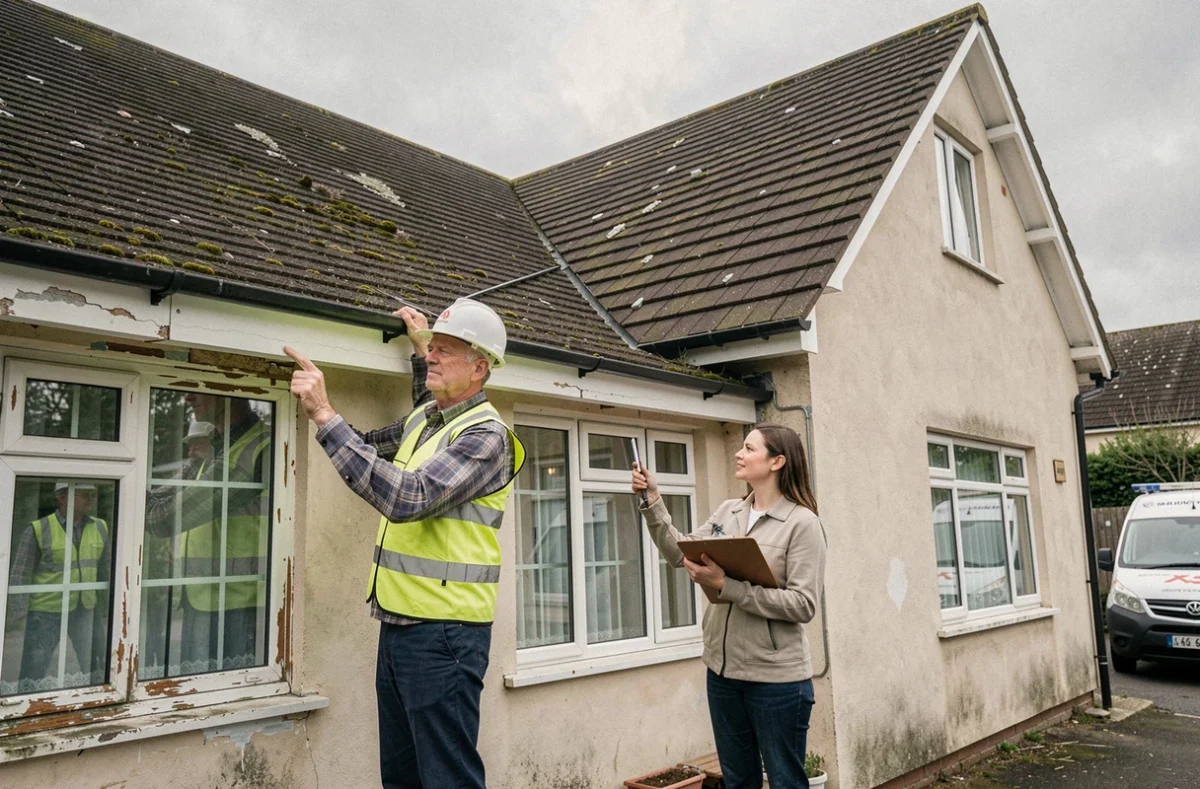
Prioritize energy renovation areas
Not all work has the same impact on the energy performance of a building. Roof insulation generally remains the area offering the best cost-to-performance gain ratio, as heat loss through the roof represents a significant portion of thermal losses in a single-family home.
Replacing an old heating system with a heat pump or high-performance boiler changes both energy consumption and greenhouse gas emissions, the two criteria of the DPE. Acting simultaneously on the envelope and the heating system produces clearer results than isolated interventions.
Regulatory timeline and rental obligations for landlords
The Climate and Resilience Law has established a timeline for the gradual prohibition of renting the most energy-intensive homes. Homes classified G are already subject to restrictions. Classes F and then E will follow according to a defined schedule.
For a landlord, the DPE class directly conditions the right to rent. A home whose lease expires after the deadline for its class cannot be re-rented without prior work. Anticipating this deadline requires knowing the current class of the property and assessing the cost of necessary work to reach at least the required class.
The question of return on investment remains open for some older homes whose structure makes insulation complex (stone walls, co-ownerships with listed facades). In these configurations, data is lacking to reliably estimate the actual class gain after work, as the DPE calculation incorporates standardized assumptions that do not always reflect the thermal behavior of atypical buildings.
A diligent property owner does not simply read the letter on the label. They check the data in the report, compare the renovation scenarios proposed by the audit, and ensure that every euro invested in work produces a measurable gain in the actual performance of the home.