
Before starting a renovation project, the first question to ask is not “where to start,” but “what do I measure to know if my project is viable.” The conversion coefficient of electricity to primary energy in the DPE has changed from 2.3 to 1.9 as of January 1, 2026.
For a home heated with electricity, this change can improve the energy label without any work. Checking if a new diagnosis changes the situation helps avoid unnecessary expenses or refocus the program on the areas that really matter.
DPE and financial aid: what the new scales change for your renovation budget
| Parameter | Before 2026 | Since 2026 |
|---|---|---|
| Primary energy coefficient (electricity) | 2.3 | 1.9 |
| MaPrimeRénov’ pathway by action (individual house) | Eligible insulation and ventilation | Several categories removed, including insulation and ventilation |
| Major renovation pathway (individual house) | Accessible even with gas/oil heating maintained | Inaccessible if gas/oil heating or hot water is retained after work |
This table summarizes the two major changes that directly affect the financial setup of a renovation project. The tightening of MaPrimeRénov’ since September 1, 2026, means that a homeowner planning to keep their gas boiler while insulating their attic may find themselves without aid for the insulation part.
The “major renovation” pathway now requires replacing the fossil heating system. Checking eligibility before signing a quote is no longer just a recommendation; it is the condition to avoid discovering too late that part of the funding has disappeared.
To explore work solutions with Bâtir Architecte, it may be useful to align their support with these new regulatory constraints to calibrate the program from the start.
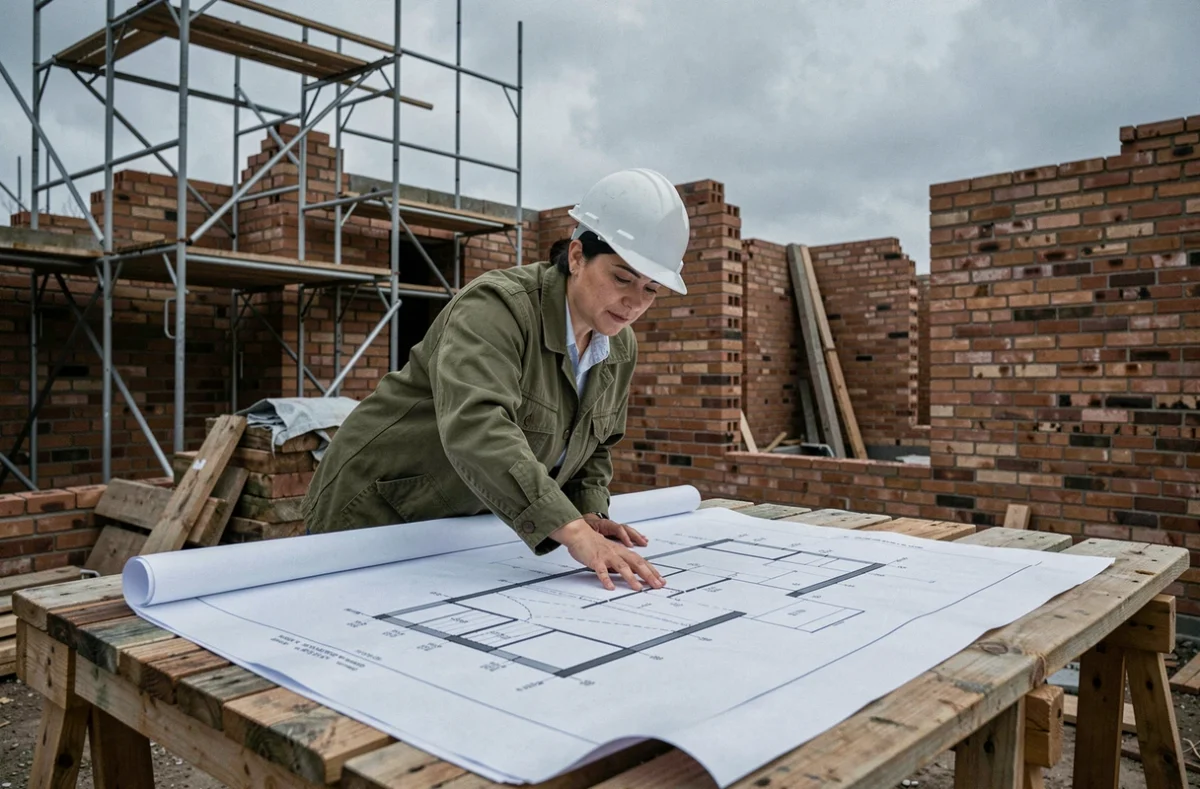
Order of renovation work: why ventilation comes before finishing
Most renovation guides recommend starting with the structural work, then plumbing, electricity, and finally finishes. This sequence is correct, but it overlooks a technical point that Qualitel emphasizes: insulating without addressing ventilation worsens humidity problems.
An older home “breathes” partly due to its airtightness flaws. When effective insulation is installed without setting up or adapting the mechanical ventilation system, the humidity produced by the occupants has no way out. Condensation on cold walls, mold in corners, premature degradation of insulating materials: the project intended to improve comfort creates a new problem.
What this implies for the project schedule
Ventilation must be sized at the same time as insulation, not added afterward. In practical terms, this means that the ventilation quote and the insulation quote must be considered together, and that the ventilation ducts must be installed before the walls are closed.
This sequencing affects the budget: grouping these two items in the same phase of work avoids a second visit from contractors and the associated plaster repairs.
Quotes and choice of contractors: the discrepancies that affect the final price
Comparing renovation quotes is not just about looking at the total amount. Two quotes at the same price can hide significant differences in material quality, timelines, or warranties.
- Details of supplies: a quote that mentions “attic insulation” without specifying the thermal resistance of the material or its thickness does not allow for verifying compliance with aid requirements
- Insurance mentions: the ten-year warranty and professional liability insurance must be included in the quote, with policy numbers. Their absence makes any subsequent claims much more complex
- Estimated timeline: a quote without a start date or estimated duration leaves room for delays without clear contractual recourse
- Payment conditions: a deposit exceeding one-third of the total amount before the start of work is a warning sign
Requesting three quotes remains a relevant practice, provided they are read line by line. The cheapest quote is sometimes the one that omits items included in the other two.
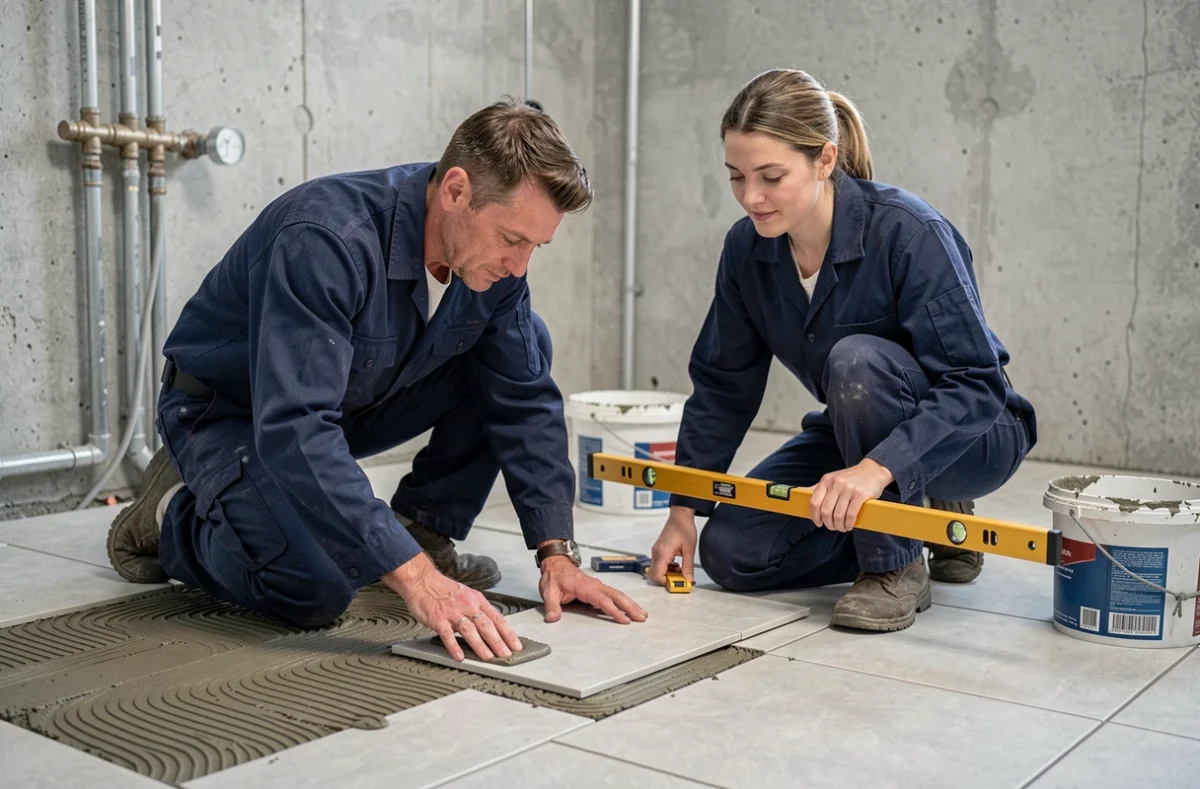
Energy audit and mandatory support: two steps to integrate into the schedule
Access to aid for a major renovation includes a mandatory step before the work begins. This support process, often underestimated in the schedule, extends the time between the decision to renovate and the first pickaxe strike.
The energy audit itself takes several weeks between scheduling, the visit, and the delivery of the report. If the home is heated with electricity, the new DPE coefficient may change the obtained classification. Having an updated DPE done before the audit helps avoid basing the entire program on an outdated label.
Coordinating administrative timelines with the project
Urban planning permits (preliminary declaration or building permit depending on the scope of the work) add to the processing times for aid applications. Allowing a quarter between the start of the procedures and the actual start of the work is a realistic margin for an energy renovation project in an individual house.
This delay has an advantage: it allows time to finalize the selection of contractors, verify their certifications, and negotiate payment conditions without rushing.
The tightening of MaPrimeRénov’ rules and the change in DPE methodology alter the economic calculation of a renovation well before the first hammer strike. A project that is profitable in 2025 may no longer be in 2026 with the same planned work. Recalculating the label, checking eligibility for aid, and grouping insulation and ventilation in the same phase of work: these three technical decisions condition the rest.