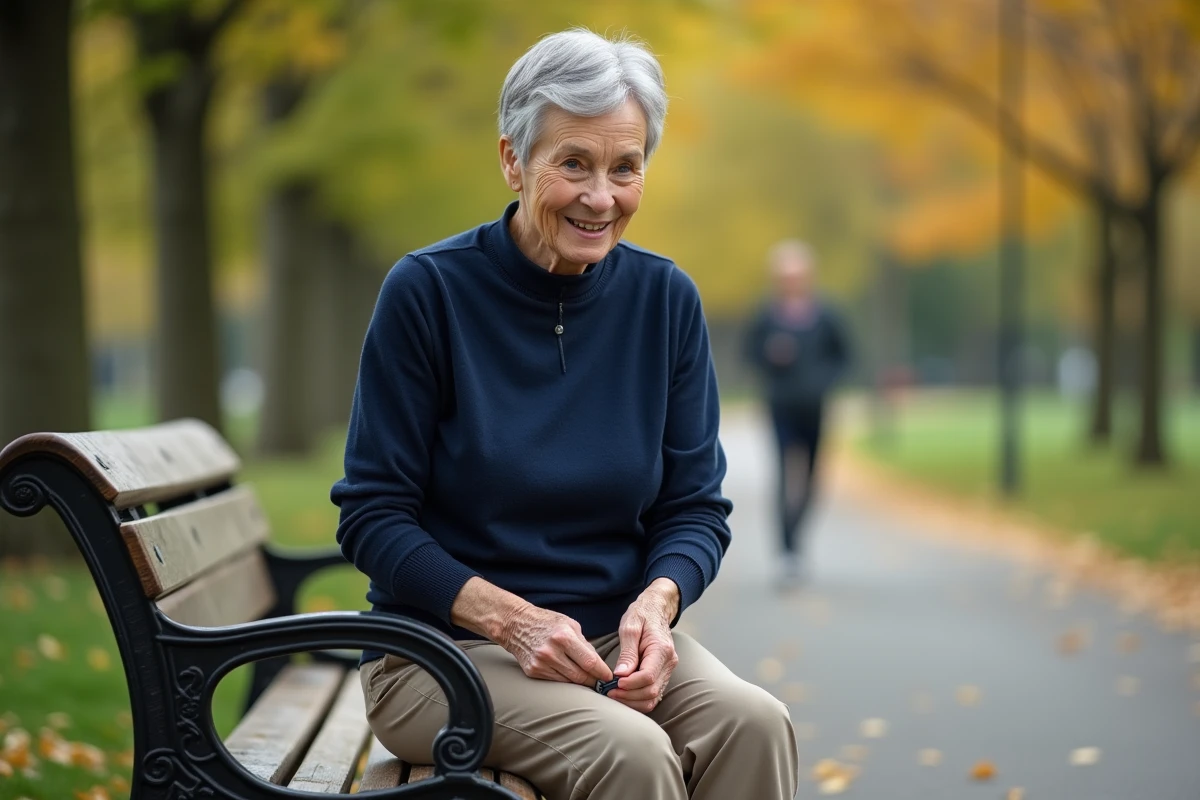
An unexpected figure: in France, nearly one-third of people over 65 report feeling a sense of isolation at least once a week. However, maintaining an active social life after retirement significantly reduces the risks of cognitive decline and chronic diseases.
There are initiatives in place to promote social engagement and facilitate access to collective activities, even in rural areas. Support groups, intergenerational workshops, digital platforms, and associative networks are organized to meet diverse needs, far from the image of a passive or solitary retirement.
Why social life takes on a new dimension after 65
Stopping work is not just about turning a page; it’s a whole daily life that changes in rhythm, scenery, and reference points. The ties woven over the years in the professional sphere become looser. Yet, it is often at this moment that social life becomes a true fuel. Research is clear: surrounding oneself, exchanging, feeling useful are all levers to preserve physical and mental health. The World Health Organization does not mince words: social isolation weighs as heavily on life expectancy as inactivity or tobacco. In France, one in three seniors feels lonely each week.
Caring for one’s connections is much more than a question of well-being: it impacts life expectancy, memory, and heart health. Recent studies show that a simple conversation can trigger the secretion of oxytocin, the bonding hormone, while reducing cortisol, a marker of stress. The result: morale holds up better, immunity strengthens, and autonomy stretches over time. Thus, fighting against isolation is a genuine collective challenge.
After 65, quality of life is measured by the density of exchanges and collective dynamics. Signing up for a workshop, joining an association, passing on knowledge to younger people: each gesture nurtures usefulness and gives meaning to daily life. Resources exist, such as https://www.happy-seniors.fr/, to find advice and ideas to maintain this network and remain an active participant in retirement.
Aging well is not just about preserving one’s strength: it’s also about finding a new reason to act, to share, to be enthusiastic. Projects, passion, and the desire to transmit shape the fabric of a renewed social life, at a time when a new freedom opens up.
What activities to forge connections and stay active daily?
After sixty, daily life is reinvented. Simple, accessible, and regular activities bring rhythm back to each day. Walking, yoga, aquagym, or tai chi, for example, structure the schedule while maintaining flexibility, vitality, and self-confidence. These practices, often collective, create opportunities for dialogue, meeting, and sharing.
Other activities stimulate the mind: reading, board games, learning a new language or instrument. Each one maintains memory, curiosity, and delays the onset of cognitive decline. Getting involved in tutoring, volunteering, and passing on knowledge and experience also weaves connections, making one feel recognized and useful.
Personal projects bring new energy to daily life. Investing time in an association, cultivating a shared garden, organizing family moments: each initiative nourishes relationships with others and gives substance to retirement. The digital world, when well used, brings loved ones closer, but nothing replaces the warmth of face-to-face exchanges. And pets, discreet companions, also provide presence and opportunities for interaction.
Here are some activities to integrate to stay alert and surrounded:
- Physical activity: yoga, Nordic walking, aquagym
- Cognitive stimulation: reading, games, learning
- Volunteering: associative engagement, tutoring
- Social life: clubs, workshops, cultural outings
- Family rituals: shared meals, regular calls
Maintaining a balanced routine, made up of activity, meetings, and rest, nourishes optimism and gratitude. This daily framework reinforces motivation, invites discovery, and gives retirement its full dimension. Engagement, curiosity, and the joy of meeting remain the true drivers of a fully active life after 60.
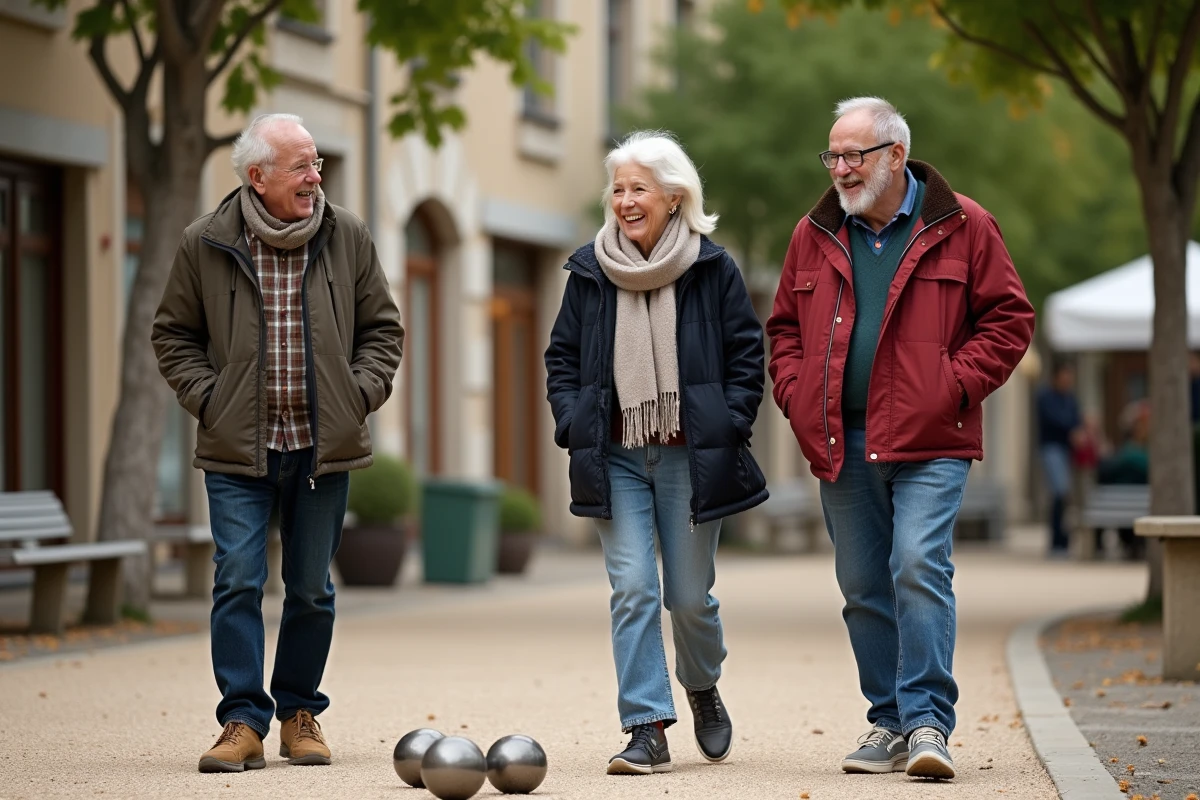
Groups, associations, and local resources: how to find the right network and break free from isolation
The transition to retirement redraws the map of social connections. Relationships change, as do habits. However, engaging in a collective dynamic proves to be an effective barrier against loneliness. Everywhere, local associations and clubs offer a variety of activities: workshops, outings, reading groups, adapted sports sessions. It’s impossible not to find something that fits: each municipality hosts networks, from walking clubs to organized trips for seniors.
Intergenerational housing and shared living arrangements among seniors open up new perspectives. More than just a place to live, these arrangements multiply common spaces where generations, experiences, and sharing desires intersect. Senior service residences, on the other hand, encourage meetings around thematic workshops, in a secure and stimulating environment.
Getting involved in volunteering also expands one’s circle and rekindles the joy of being useful. Leading a workshop, helping children learn to read, getting hands dirty in a shared garden: local associative life is full of ideas and opportunities for young retirees.
Support from a social relations coach or a home helper complements this range. These professionals help take the step, dare to go out, and regain confidence. But the real impetus often comes from the collective dynamic: clubs, support groups, and associations remain wonderful springboards to reconnect with the joy of connection. The environment and the quality of shared spaces directly influence the ability to create bonds and preserve autonomy and well-being. At retirement age, everything remains to be invented, and social life, far from stopping, is reinvented every day.