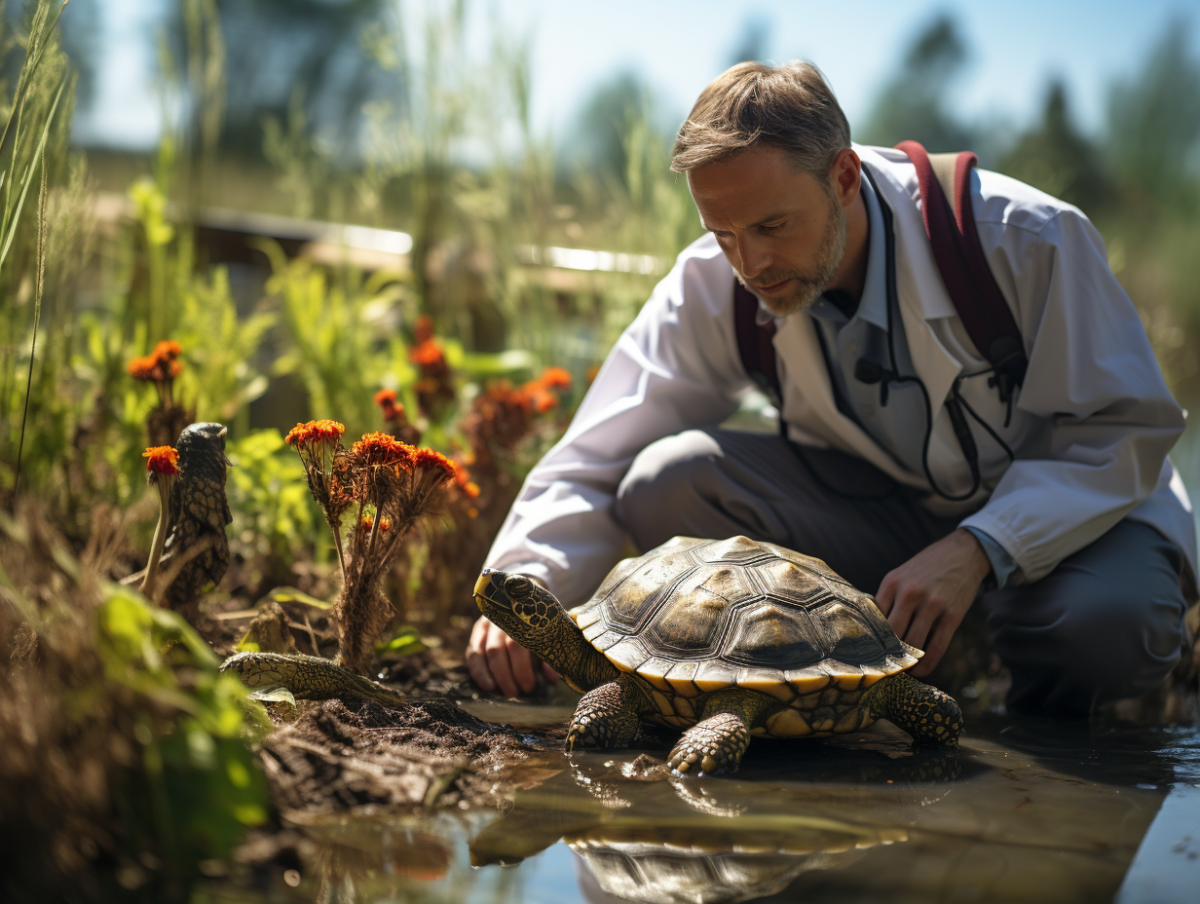
Aquatic turtles, the majestic creatures of oceans and rivers, face multiple threats that weigh heavily on their survival. Understanding the factors that lead to their death is fundamental for developing effective conservation strategies. Among the main causes are marine pollution, often in the form of plastic that turtles mistakenly ingest, abandoned fishing nets in which they become trapped, and habitat destruction due to human activity. These dangers, combined with other factors such as climate change and diseases, require sustained attention and concerted actions to ensure the longevity of these ancient species.
The main anthropogenic causes of mortality in aquatic turtles
Water turtles, whether marine or freshwater, can succumb to inadequate living conditions. A poorly designed habitat, poor water quality, an unbalanced diet, or restricted living space are all factors that hinder the health of these reptiles and hasten their demise. Owners, especially beginners, must learn to recognize signs of distress in their charges: apathy, refusal to eat, abnormal behaviors. These symptoms can indicate deep distress, requiring prompt intervention.
Tips to prevent mortality in captive water turtles are essential and are widely shared on online forums and in support groups. These communities provide valuable support to turtle keepers, offering information on care and mistakes to avoid. Consulting a veterinarian specialized in reptiles then becomes a crucial step. They can accurately diagnose and effectively treat a sick turtle, thereby improving its chances of recovery.
Prevention remains key. Constant monitoring of the health of water turtles allows for the identification of diseases and parasites that may affect them. Early detection of these issues, through observation of warning signs, is vital for the longevity of these animals. Indicators such as loss of appetite, bubble formation, or skin problems should never be overlooked. They often reveal serious underlying conditions that, if left untreated, inevitably lead to a fatal outcome.
Diseases and physiological disorders leading to the death of aquatic turtles
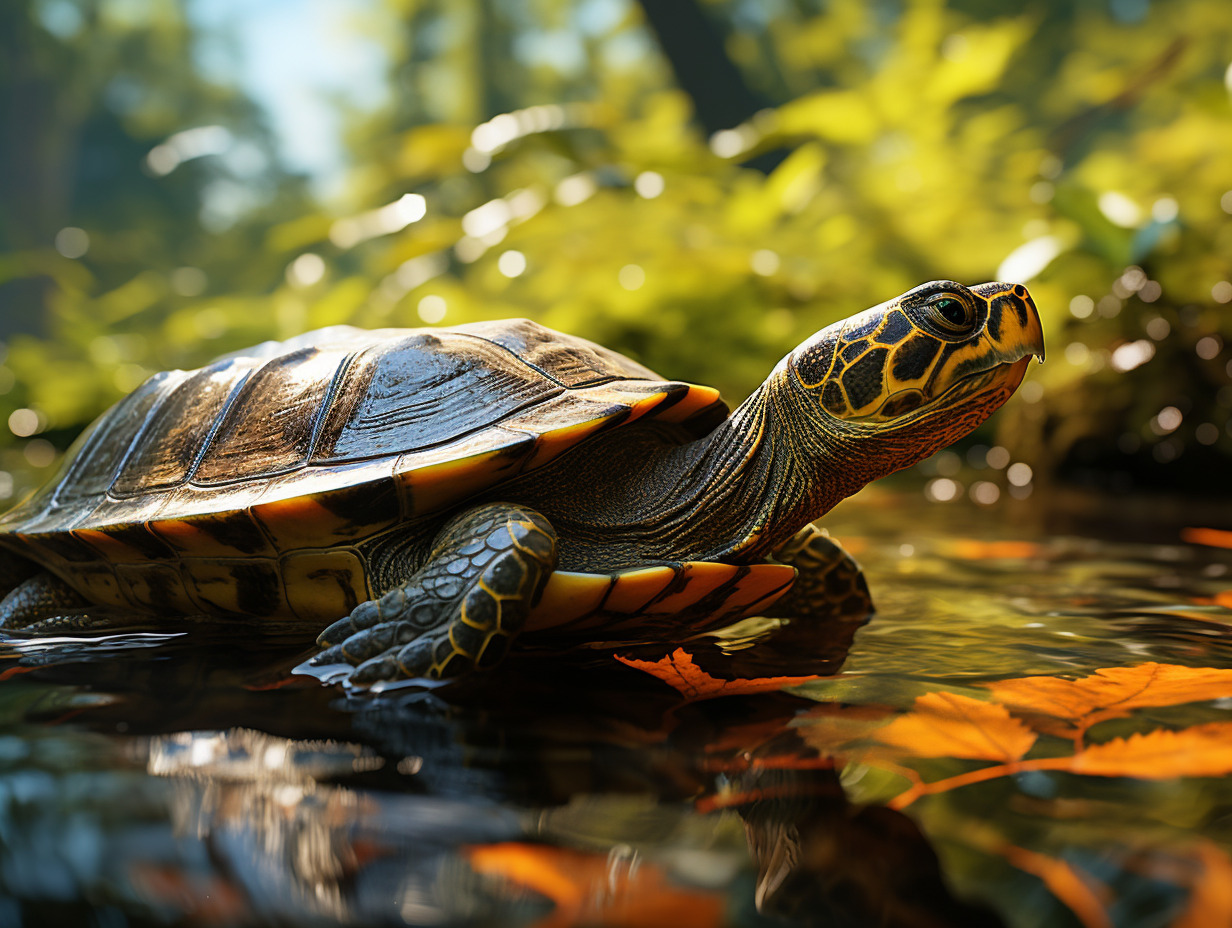
In the complex ecosystem of aquatic turtles, various pathogens and physiological disorders can significantly impair their health. Diseases such as anorexia, eye problems, diarrhea, respiratory infections, shell diseases, dystocia, humidity dermatitis, parasitic diseases, and stomatitis are all ailments that weaken these reptiles. The mortality of water turtles, whether in captivity or in the wild, can often be attributed to these conditions, which require specialized care to avoid a fatal outcome.
Careful monitoring of signs of distress in water turtles is crucial to prevent their premature death. Loss of appetite, bubble formation, lethargy, sneezing, coughing, wheezing, unbalanced swimming, skin problems, absence of feces, shell cracks, and unusual stools are all indicators that should alert caregivers. These warning signals, when correctly interpreted, could save the lives of these animals by indicating a necessary intervention.
In the face of these health challenges, a preventive approach proves fundamental. Keepers and conservation institutions must ensure optimal living conditions for these creatures while remaining vigilant to symptoms of declining health. Training those who care for aquatic turtles on diseases and their treatments, as well as emergency procedures, is an integral part of the strategy to safeguard these species. Collaboration with specialized veterinarians is, in this regard, an essential component for maintaining a healthy and resilient population of aquatic turtles.