The improvement of thermal comfort in one’s home remains an increasing concern for many households. In the face of repeated rises in energy costs, everyone aspires to reduce their bill while enhancing their indoor well-being. External insulation thus stands out as an ideal solution, combining energy efficiency and aesthetics. Valued for its remarkable performance, it is increasingly appealing to homeowners looking to optimize their living space. So why is this insulation technique experiencing such growth? What are its real benefits, implications, and the specifics to consider before embarking on such a project?
The undeniable advantages of external insulation
Choosing external insulation is primarily opting for energy efficiency. This insulation method offers numerous advantages that make it a preferred option for many households.
One of the main benefits lies in its ability to significantly improve the thermal efficiency of the home. By enveloping the house in an insulating layer, it reduces heat loss and maintains a constant indoor temperature. Thus, external temperature fluctuations no longer impact your daily comfort.
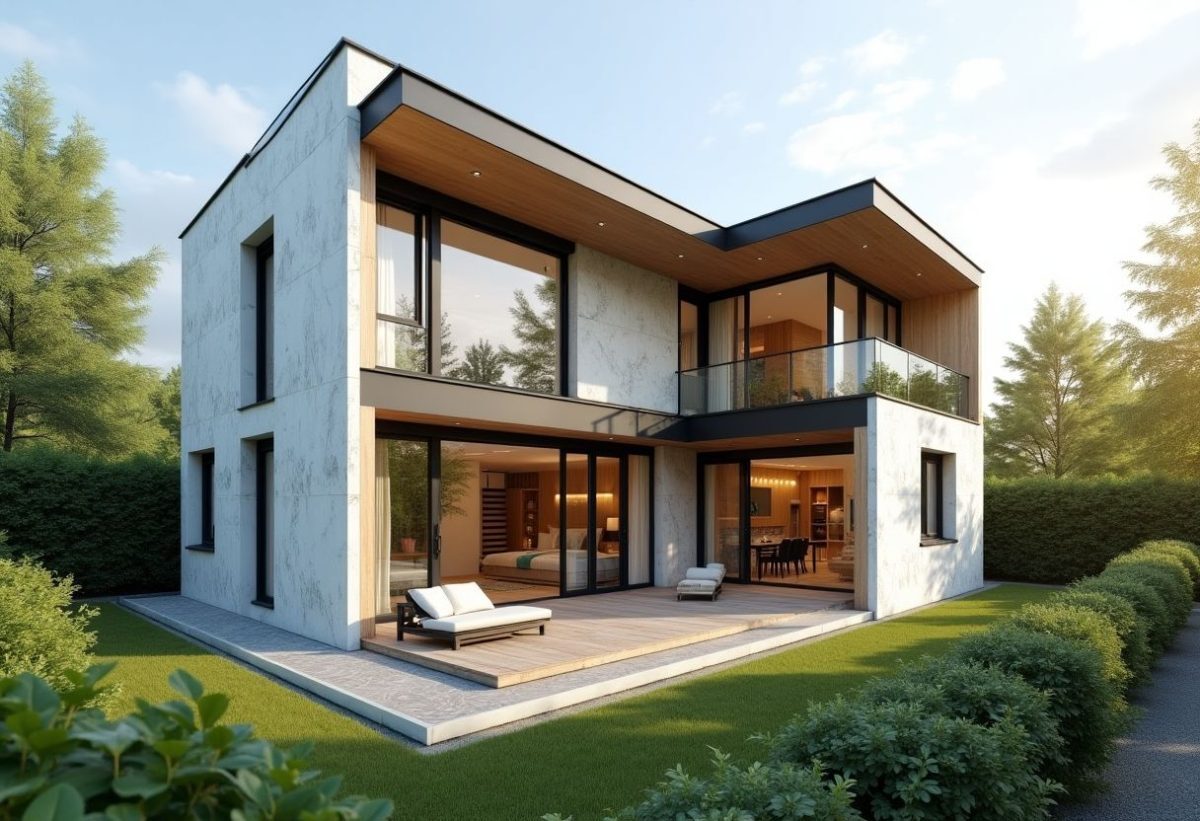
In addition to its thermal performance, external insulation presents an undeniable aesthetic advantage. It offers the opportunity to rejuvenate the facade of your home by choosing from a multitude of possible finishes. Opting for such a solution guarantees a perfect harmony between energy efficiency and architectural beauty.
This technique also promotes better airtightness, contributing to a reduction in infiltrations. In doing so, it improves indoor air quality and, consequently, your health and that of your family.
The preferred techniques for effective insulation
Several methods of external insulation exist, each adapted to specific needs and particular types of construction. It is essential to understand the differences to make an informed choice.
- Coating on insulation: This technique involves applying an insulating layer to the facade, which is then covered with a finishing coat. It is ideal for houses with regular walls and offers durable protection against the elements.
- Ventilated cladding: An insulating material is fixed to the wall and then covered with cladding that allows air to circulate between the two layers. This system enables excellent moisture management, thus preventing condensation risks.
- Insulating panels under coating: Rigid panels are fixed to the walls, and a coating is applied over them. This method is particularly suitable for renovations and ensures a high-quality aesthetic finish.
- Insulation by cladding: This process integrates the insulation and the final covering into a single element, thus facilitating implementation and ensuring a flawless aesthetic result.
The financial and regulatory aspects to consider
Engaging in an external insulation approach represents a significant investment. It is crucial to understand the financial and regulatory aspects before committing.
One of the most encouraging aspects lies in the numerous financial aids available. Whether through tax credits, local subsidies, or energy bonuses, several programs can considerably lighten the total cost of the project. Inquire with the relevant organizations to benefit from them.
The regulatory aspect should not be overlooked. Depending on the location of your property, certain administrative procedures may be required, particularly for houses situated in classified areas. A building permit or a prior declaration of work may be required.
Finally, it is essential to ensure that the materials used comply with current standards. Choosing certified products guarantees not only the quality of the insulation but also its durability.