
In a connected world where images circulate freely, the search for accurate information from a simple photo has become a reality. Whether it’s to find an old childhood friend, locate a forgotten vacation spot, or identify an individual in a more serious context, various technological means are at our disposal. Digital technology has opened a new path in the search for people and places through images. To maximize the effectiveness of this search, you must understand the techniques that can help, while respecting ethical and legal considerations.
Finding a person through a photo: a mastered art
One of the most commonly used techniques to find someone with a photo is facial recognition. This innovative technology allows for the comparison of facial features of a person in an image with those present in a vast database. Thanks to sophisticated algorithms, it is possible to quickly identify and associate a face with a known identity.
It should be noted that the use of facial recognition certainly raises concerns regarding personal data protection and privacy. It is essential to act within the strict framework of the current legal framework to avoid any potential abuse.
Beyond facial recognition, another crucial aspect when it comes to finding someone with a photo is its quality. High resolution and clear details can greatly facilitate the identification process using available computer tools.
Speaking of computer tools, there are also several specialized software for reverse image search. These programs use extensive databases containing millions or even billions of images indexed on the internet. By simply uploading your photo to these specialized platforms, you can quickly and easily obtain any possible matches with that specific image.
Finding someone with just a photo sometimes requires a few additional tricks to optimize your searches. For example, if you know the location or context in which the photograph was taken, this can be extremely helpful in refining search results.
It is important to emphasize that the use of these techniques must be carried out with caution. It is crucial to obtain the consent of the individuals involved before using their images for research or identification purposes. You must respect the laws in force in your country regarding data protection and the right to privacy.
Finding someone with a photo is now possible thanks to technological advancements such as facial recognition and reverse image search. One must exercise ethics and caution when using these tools to ensure respect for individual rights.
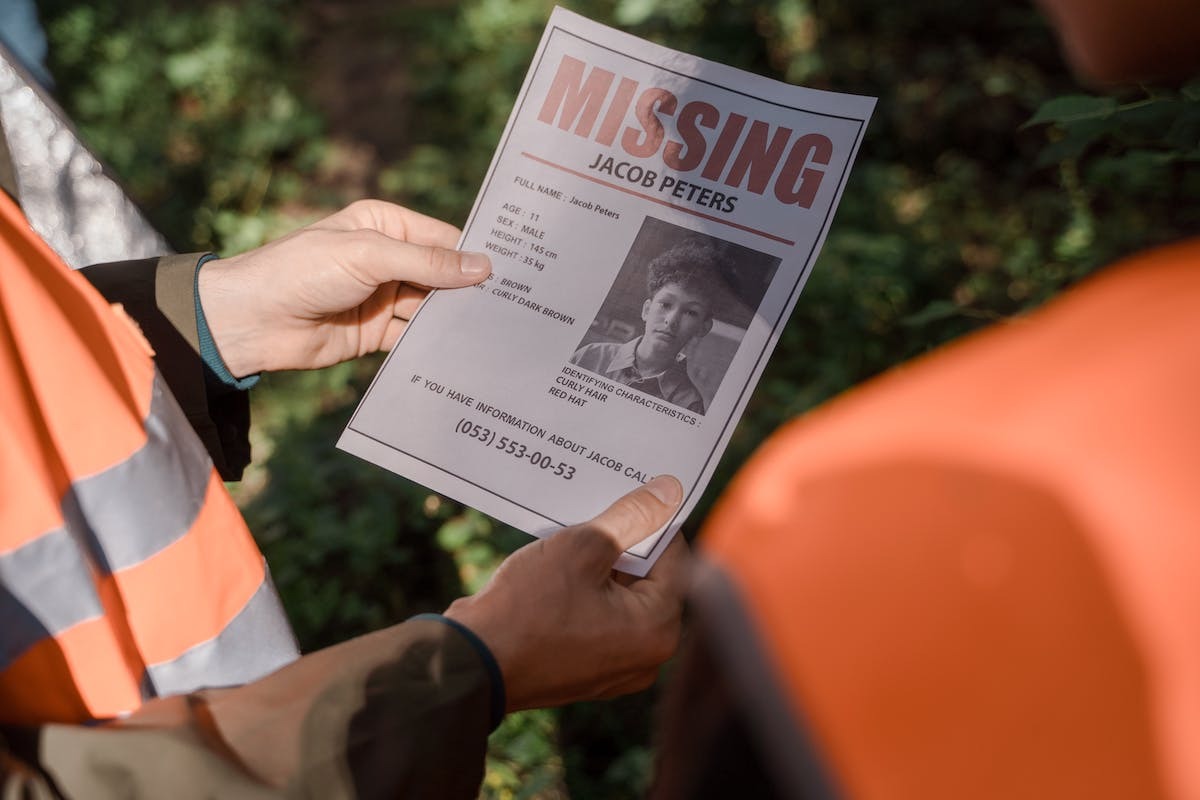
Facial recognition: techniques decoded
In the process of searching and identifying, the quality of the photo plays an essential role. A clear and well-defined image allows the complex algorithms used in facial recognition software to accurately analyze the facial features. Details such as contours, distinctive traits, and even facial expressions can be better captured in a high-resolution image.
It should be noted that certain factors can influence the quality of a photo, including lighting, sharpness, and angle of capture. Optimal lighting conditions allow for better distinction of facial features, while a blurry or poorly framed image can make precise identification difficult.
To obtain a higher quality photo, it is recommended to use a camera with good resolution or a smartphone equipped with a high-performance sensor. Additionally, we often see the use of high-resolution cameras present on our mobile phones that deliver impressive results.
One should not underestimate the power of photo post-processing. By using various specialized software such as Photoshop or Lightroom, it is possible to significantly enhance sharpness and contrast, as well as correct minor flaws to maximize the identification potential of images.
Beyond the technical aspects related to the intrinsic quality of the photograph itself, one must also consider the overall content present in it when trying to find someone. For example, if a person is photographed in front of a famous monument or in a geographically identifiable environment, this can greatly facilitate the investigators’ task in locating that person.
The importance of photo quality should not be underestimated when it comes to finding someone through an image. High resolution and clearly visible details can provide valuable information to facial recognition algorithms and specialized reverse image search software. Attention should be paid to these technical aspects while respecting individual rights and the legal framework governing the appropriate use of personal data.
Photo quality: an essential key for identification
Technological advancements have enabled the development of numerous tools and specialized software for reverse image search. These solutions use sophisticated algorithms to compare a given image with a vast amount of visual data available online, in order to find matches or similarities.
One of the most well-known tools is Google Images. It allows users to search for an image using an uploaded photo or a link to it. Google Images then analyzes the visual composition and provides a set of relevant results that match that specific image. It should be noted that this feature is not infallible and can often yield approximate results.
Another popular tool is TinEye. This reverse search engine was specifically developed to find the exact origin of an image on the Internet. TinEye compares the unique digital signature extracted from a photo with its vast library of indexed images, allowing users to discover where their image has been previously published.
Among other available options, there is also Bing Image Match, the reverse search engine offered by Microsoft. It provides a similar functionality to Google Images and gives users the ability to search for a specific image to find its sources or similar images.
There are also several third-party software specialized in facial recognition and reverse image search, such as PimEyes or Yandex Images. These tools offer advanced features that allow for more precise and targeted searches, essential for finding a person through a photo.
It should be noted that the use of these tools must be carried out in respect of privacy and the legal framework. Be cautious about the results obtained, as they can sometimes be inaccurate or incomplete.
The tools and software for reverse image search are valuable resources in the quest to find a person through a photo. Their judicious use can help quickly identify individuals or learn more about the origin of a specific image. However, you must consider the technical and legal limitations associated with their use to avoid any abuse or violation of privacy.
Reverse image search: effective tools and software
To optimize your search and maximize your chances of finding a person through a photo, here are some valuable tips to consider:
Use high-quality images: you need to have visual recognition, so ensure that the image is clearly visible.
Frame the photo correctly: If you are searching for a specific person, try cropping the image to highlight the face or relevant distinctive features. This will allow reverse search engines to focus on the essential elements when making their comparison.
Try different resolutions: Sometimes, it can be useful to try different resolutions of the same image to find more matches.
Optimizing your search: tips for precise results
When using these techniques to find a person through a photo, you must take certain precautions to ensure data protection and privacy. Here are some essential guidelines to follow:
Ensure you have the legal permission to use and share the photo in question. It is crucial to respect copyright and laws related to image privacy.
Be aware of the potential risks associated with this method. By using reverse search engines or specialized software, you may expose your own personal information as well as that of the person you are trying to find. Therefore, be cautious when using these tools and protect your own identity by avoiding unnecessary disclosure.
It is also recommended to avoid any hasty judgment based solely on a visual match. The results obtained can sometimes be misleading or incomplete, which can lead to serious identification errors.
Always keep in mind that the abusive or malicious use of these techniques can have harmful consequences for all parties involved. Always respect the ethical limitations associated with this practice and do not use these methods for harmful or discriminatory purposes.
If you ever find a positive match between a photo and a sought-after person, always remember to verify this information with other reliable sources before taking any further action. It is crucial to establish absolute certainty before taking steps that could potentially affect a person’s privacy or integrity.
Finding a person through a photo can be a powerful tool in certain circumstances, but you must use it with caution and responsibility. Always keep in mind the ethical implications associated with this practice and respect the privacy and rights of the individuals involved.
Precautions to take: using these techniques safely
Let’s continue our exploration of the essential techniques and tips for finding a person through a photo. Another commonly used method is the analysis of the photo’s context.
By carefully examining the elements present around the person sought in the photo, it is sometimes possible to obtain valuable clues. For example, if you notice a recognizable building or monument in the background, this can help you determine the location where the photo was taken.
The date of the photo can also be an important clue. If you have access to the EXIF (Exchangeable Image File Format) data associated with the image, it can reveal information such as the exact moment it was captured. This could prove useful for refining your searches and cross-referencing information with other known events.
Another technique is to use social media to find similar people or those connected to the one you are searching for. By uploading your image to certain specialized sites, they may automatically identify other photos featuring a person resembling the one you wish to find.
This method also raises important ethical questions regarding respect for privacy and the appropriate use of personal data available on the internet.