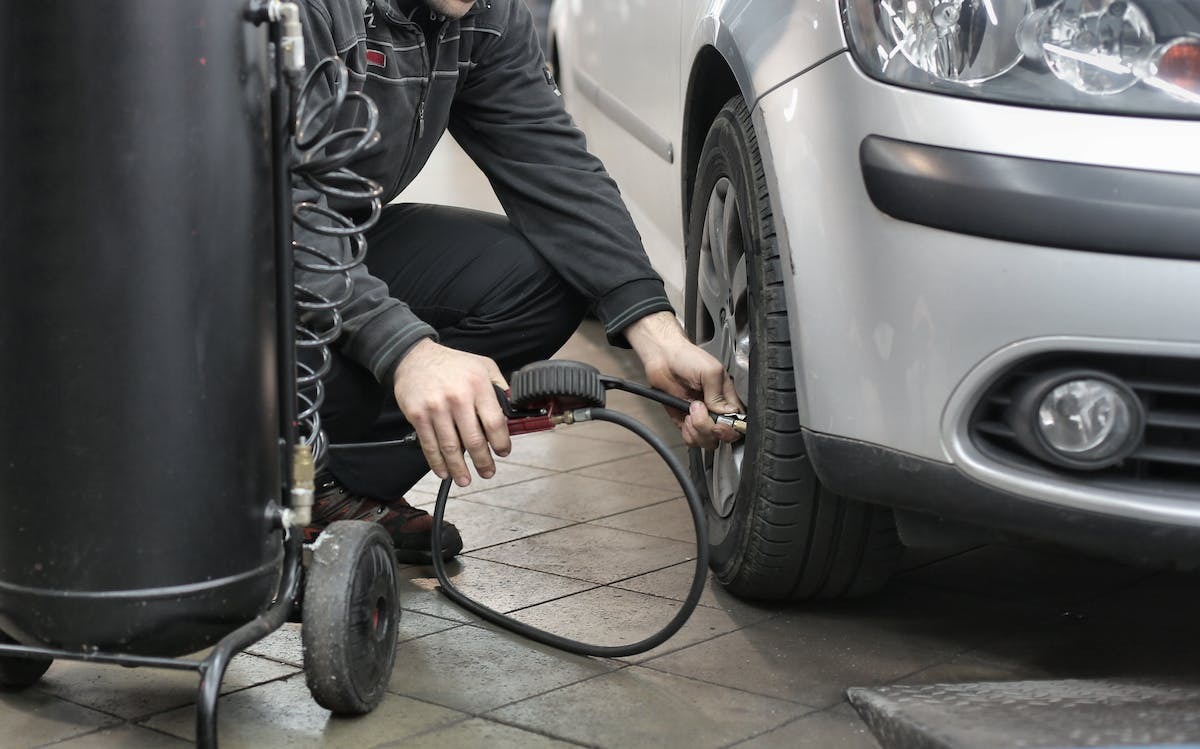
The black rubber that connects your car to the road plays a crucial role in the safety and efficiency of the vehicle. These essential components, commonly known as tires, are often overlooked until a problem arises. However, they can last longer and provide optimal performance if given regular attention. For those looking to extend the life of their tires while maximizing their value, here is a series of practical tips that could make the difference between a safe journey and an unexpected stop on the side of the road.
Regular Tire Maintenance: A Matter of Road Safety
The factors that influence the lifespan of tires are numerous and varied. One must consider the tire pressure. Under-inflated or over-inflated tires can lead to premature and uneven wear, significantly reducing their lifespan. It is essential to regularly check the pressure recommended by the manufacturer.
The alignment of the wheels plays a crucial role in tire longevity. Poor alignment can cause excessive wear on the sides of the tire, decreasing its lifespan and leading to premature deterioration.
Another factor not to be overlooked is driving style. Aggressive driving with sudden accelerations and hard braking puts a lot of stress on the tires, causing them to wear out more quickly.
The type and condition of the roads traveled also have a significant impact on tire durability. Bumpy or obstacle-laden roads increase the risk of tire damage, while rough surfaces can cause increased abrasion.
One must mention the climatic influence on tire performance and longevity. For example, in certain extreme weather conditions such as intense heat or freezing cold, the rubber components deteriorate more quickly, significantly reducing tire durability.
It is important to choose tires that are suitable for your vehicle and driving style. A poor choice of tires can not only reduce their lifespan but also affect road safety by compromising the vehicle’s grip and stability.
Therefore, it is essential to be aware of all these factors that can influence the lifespan of a tire in order to take the necessary measures to maximize their longevity. By regularly taking care of your tires, you will not only save on frequent tire replacements but also contribute to improving your safety on the road.
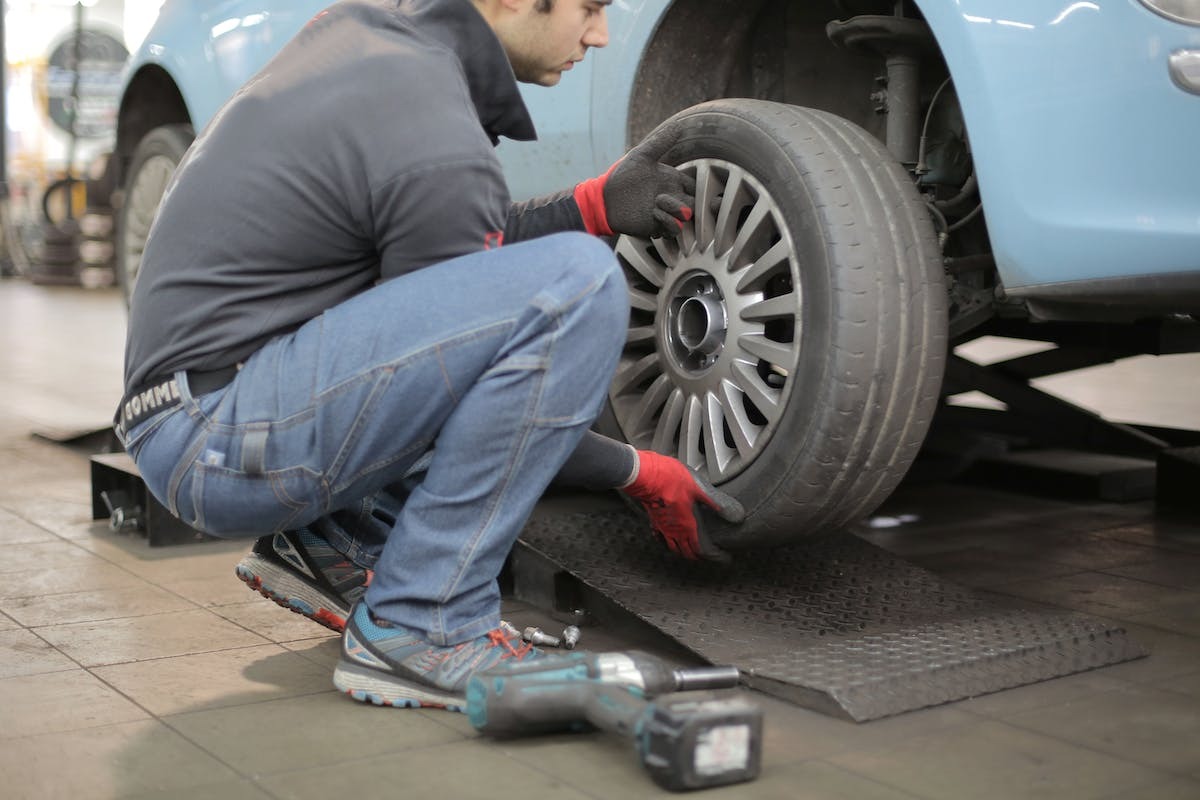
Tire Lifespan: Factors to Consider
To maximize the lifespan of your tires, here are some practical tips to follow. Regularly perform a visual inspection of your tires. Look for any signs of abnormal wear or damage, such as cuts, deformities, or bulges. If you spot any of these issues, it is best to replace the affected tire to avoid any risk of accident.
Be sure to perform regular tire rotations. This practice involves swapping the positions of the front and rear wheels so that wear is evenly distributed across all tires. Rotation should be done according to the manufacturer’s recommendations or every 8,000 to 10,000 kilometers driven.
Another important tip relates to alignment and camber. These technical terms refer to the angles at which the wheels are positioned relative to the ground and to each other. Poor alignment can lead to premature and uneven wear of the rubber treads. You should periodically check these parameters with a qualified professional.
Adopt a gentle and preventive driving style by anticipating sudden accelerations, hard braking, and sharp turns. This type of aggressive driving places considerable stress on the tires, thus reducing their durability. By following these main tips, you can extend the life of your tires while achieving long-term savings.
Do not forget the importance of regularly checking the air pressure in your tires. Improper levels can not only affect vehicle performance but also lead to premature wear of the rubber treads. Consult the owner’s manual or look up the manufacturer’s recommended specifications to ensure proper pressure.
Maximizing the lifespan of your tires requires a proactive approach that includes regular maintenance, careful driving, and adherence to the technical limitations of tires.
Maximizing Tire Lifespan: Our Practical Tips
In this article, we have already discussed practical tips for maximizing the lifespan of your tires. But did you know that this also has a significant impact on road safety? Indeed, good tire management can help reduce accident risks and ensure safer driving.
Well-maintained tires provide optimal grip on the road. When the rubber treads are worn or damaged, they lose their ability to adhere properly to the road surface. This can lead to decreased traction, especially on wet or slippery surfaces. Poor grip increases the risk of hydroplaning and makes it more difficult to control the vehicle during turns or sudden braking.
Poor tire management can affect the balance of the vehicle. Unsynchronized wheels or poor alignment can cause vibrations and make driving unstable. This can also lead to uneven tire wear, further compromising their overall performance. A vehicle with improperly balanced wheels will therefore be less predictable on the road, making it easier for dangerous situations to arise.
It is worth noting that when you regularly maintain your tires and adhere to their technical limitations (appropriate size, recommended load index), you help maintain an optimal level of energy efficiency. Well-inflated and well-maintained tires reduce rolling resistance, resulting in lower fuel consumption. This means not only savings for your wallet but also a decrease in your ecological footprint.
It should be emphasized that road safety is a collective issue. By adopting good tire management and demonstrating responsibility on the road, you contribute to preserving your own safety as well as that of other road users. Careful driving combined with well-maintained tires is therefore a winning duo for a calm and safe driving experience.
Maximizing the lifespan of your tires is not just about achieving long-term financial savings. It is also an effective way to improve road safety and ensure safer driving for all drivers and passengers.
Tire Management: Essential Benefits for Road Safety
Beyond safety and energy efficiency aspects, good tire management also helps preserve the environment. Indeed, used tires can be recycled and used in the production of new materials such as road surfacing or synthetic sports fields. By opting for regular maintenance of your tires and replacing them only when necessary, you contribute to reducing environmental waste.
It is important to emphasize that regular checking of tire pressure is essential to ensure their maximum lifespan. Under-inflated tires lead to increased rolling resistance, which not only causes excessive fuel consumption but also accelerates premature wear of the rubber. Conversely, over-inflated tires increase the risk of sudden blowouts when subjected to excessive stress.
Another practical tip is to perform regular tire rotations every 10,000 kilometers or so. This practice helps ensure even wear between the different axles of the vehicle and thus extends their useful life. It is recommended to always use the same type or brand of tire on each axle to avoid any imbalance that could affect handling.
Be sure to choose your tires wisely. Indeed, there are tires specifically designed for winter or summer seasons, providing optimal grip depending on weather conditions. Using tires suited to each season ensures maximum performance and reduces the risk of accidents due to difficult road conditions.
Proper management of your tires is essential to maximize their lifespan while ensuring safety, energy efficiency, and respect for the environment. Regular maintenance, pressure checks, appropriate rotations, and choosing tires suitable for different seasons are all practices that will not only save you money in the long run but also ensure your well-being and that of other road users.